

guide

Listed as a UNESCO World Heritage site, the Canal du Midi unfolds its 240 km between Toulouse and the Thau lagoon near Sète. Envisioned by Pierre-Paul Riquet in the 17th century, it crosses Occitanie to the rhythm of its 63 locks, hundred-year-old plane trees, and wine-growing villages. On foot, by bike, or by barge, you have an ideal itinerary for a family vacation in a camping with water park close to the canal.
Here are the stages not to miss, the flagship activities, and the best bases for a successful stay along the canal!
The Canal du Midi ranks among Europe’s oldest still-active canals. Inscribed on the UNESCO World Heritage list since 1996, it was dug between 1666 and 1681 under the drive of Pierre-Paul Riquet, an engineer from Béziers. The project connects the Garonne to the Mediterranean and once allowed transport of grain and goods without sailing around Spain by sea.
At 240 km long, it crosses 63 locks and several canal bridges, including the famous structure over the Orb at Béziers. Its banks, once planted with over 42,000 plane trees, guarantee precious shade for strollers. Today the canal thrives with river tourism and welcomes thousands of pleasure boaters each year from across Europe.
The Canal du Midi suits every mood, from sporty to contemplative. The green path running its banks makes it ideal terrain for families, cyclists, and nature lovers. Here are the main activities to enjoy along the canal:
Claire’s tip: for a first trip with young children, I recommend combining two days of biking between Carcassonne and Trèbes, perfectly flat, with a relaxing afternoon at the camping pool. You avoid fatigue, and children keep an excellent memory of their canal discovery.
From Toulouse to Sète, the canal crosses three departments and alternates moods between the pink city, Cathar country, and Mediterranean vineyards. Here are the main stages to include in your itinerary:
The Canal du Midi crosses Languedoc, a region ideal for combining culture and swimming! Several campings with water parks in Hérault, in the Aude, and Haute-Garonne sit near the canal. You’ll find establishments just steps from Béziers, Agde, Carcassonne, or the Mediterranean coast.
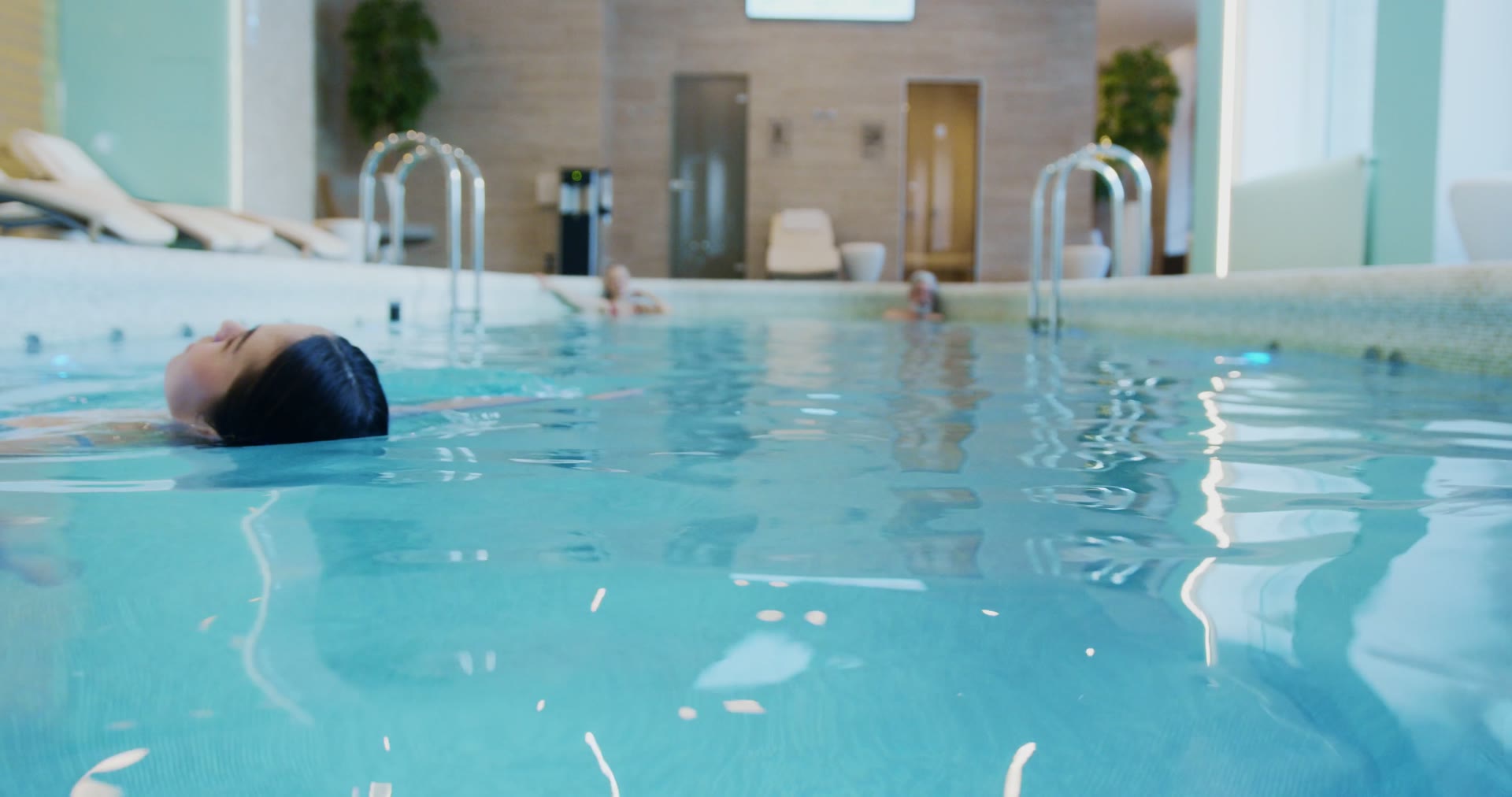
Choosing a camping with a water park offers several perks for visiting the canal. Kids burn energy at the pool or slides after a day of biking along the canal. A heated indoor pool secures your vacation even off-season or with iffy weather. Family services, like kids’ club and play areas, also free up time to see the locks. In central Languedoc, you can easily reach the canal’s main stages.
To compare over 190 campings with pools, slides, and paddling pools, see our selection of campings with water parks in Occitanie!
No, swimming in the Canal du Midi is banned by prefectural order, due to boat traffic and variable water quality. Several nearby lakes and watersports centres do welcome swimmers, however, such as Lac de la Cavayère near Carcassonne or the beaches along the Hérault coast.
The best time to visit the Canal du Midi runs from April to October. In spring and autumn, you'll enjoy mild temperatures, ideal for cycling. Summer remains very popular for cruises and swimming at watersports centres, though crowds increase significantly in July and August.
No, no licence is required to pilot a rental houseboat on the Canal du Midi. A brief handover of a few hours with the rental company is enough. Speed is limited to 8 km/h, making the experience accessible to families even without prior boating experience.
To travel the full length of the Canal du Midi, allow 6 to 7 days by houseboat and 5 to 6 days by bike. Families often prefer a partial route of 3 to 4 days, for example between Carcassonne and Béziers, which allows for a mix of sightseeing, cycling and relaxed breaks at the campsite.
The must-see villages along the Canal du Midi are Castelnaudary, Trèbes, Homps, Le Somail and Capestang. Each keeps its charm, with old locks, plane-tree-lined banks and typical restaurants. Capestang is home to the Saint-Étienne collegiate church, a listed historic monument, and makes for a popular cultural stop.