

Blog
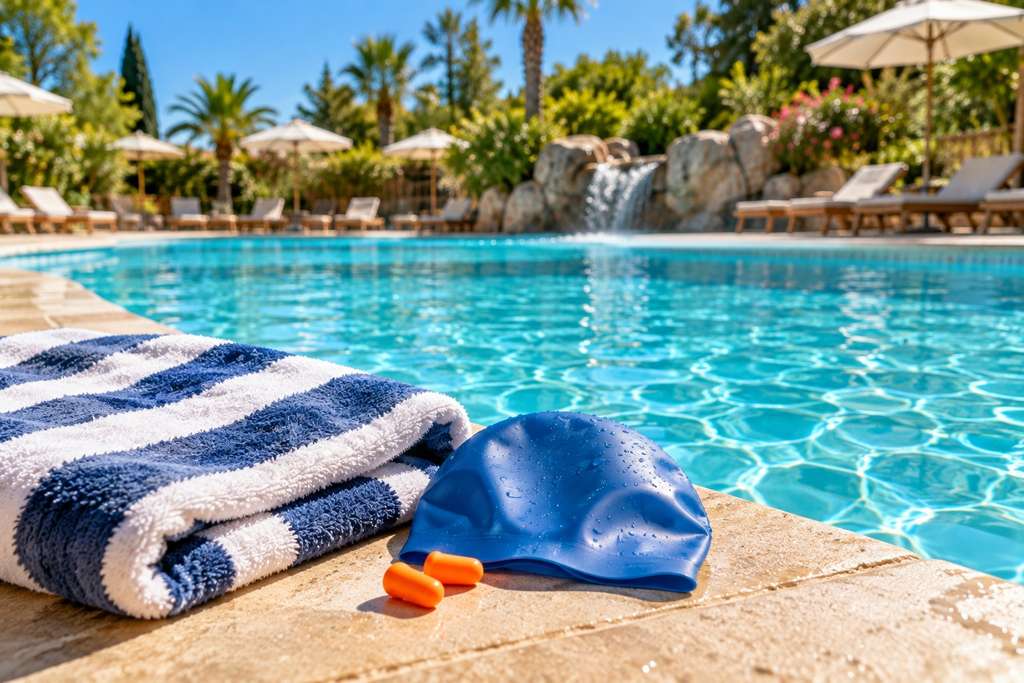
A sharp pain in the ear after a week of swimming pools and water slides? It could be swimmer’s ear, also called otitis externa. Common in summer, it affects the ear canal, not the middle ear like the classic ear infection in children. Treated well, it clears up within a few days, but it can ruin the end of your holiday if left to drag on.
Here is how to recognise swimmer’s ear, when to see a doctor, how it is treated and, above all, how to avoid it when you spend your days in the water.
| Information | At a glance |
|---|---|
| Medical name | Otitis externa, infection of the outer ear canal |
| Cause | Water that stays in the ear canal, weakened skin, bacteria or fungi |
| Symptoms | Itching, then sharp pain, especially when touching or pulling the ear |
| Treatment | Ear drops prescribed by a doctor, usually 7 to 10 days |
| Swimming | To avoid during treatment, on medical advice |
| Prevention | Dry ears thoroughly, no cotton buds, earplugs if needed |
Otitis externa is an inflammation, most often infectious, of the canal running from the entrance of the ear to the eardrum. It is called swimmer’s ear because it often follows repeated swimming: water left in the canal softens the skin and removes the thin layer of earwax that protects it. Bacteria, and less often fungi, then have free rein.
It differs from the middle-ear infection, which lies behind the eardrum and often goes with a cold in children. Otitis externa can affect any age, particularly swimmers and children who spend long hours at the pool.
See a doctor quickly if the pain is severe, if you have a fever, swelling around the ear or face, or if you are diabetic or immunocompromised.
Treatment relies on ear drops prescribed by a doctor after examining the canal and eardrum: antibiotic drops if the infection is bacterial, antifungal drops if a fungus is responsible, sometimes combined with an anti-inflammatory. Treatment usually lasts 7 to 10 days. The doctor may also clean the canal, and simple painkillers relieve the first few days.
During treatment, it is generally recommended not to put your head under water and to avoid swimming: ask your doctor when you can go back in. Never put drops in your ear without medical advice, as some are dangerous if the eardrum is perforated.
Any water can encourage otitis externa, because the main cause is the prolonged dampness of the canal. Long and repeated swims, in a pool as in the sea, increase the risk. In pools and water parks the water is treated and monitored, but long sessions of sliding and diving particularly expose children. To enjoy the water safely, also read our advice on avoiding hydrocution.
Swimmer’s ear is the typical minor ailment of water holidays, but it is easy to prevent: dry your ears carefully, avoid cotton buds and take regular breaks out of the water. Pack earplugs if your child is prone to it. And at the first sign of severe pain, see a doctor straight away so you do not lose several days of swimming.
It is otitis externa, an infection of the ear canal encouraged by prolonged dampness after repeated swims, in a pool as in the sea.
It causes itching, then sharp pain at the entrance of the ear, which gets worse when you press on it or pull the outer ear, sometimes with discharge.
With ear drops prescribed by a doctor after examining the ear, usually for 7 to 10 days. Simple painkillers relieve the first few days.
It is generally recommended to avoid swimming and to keep your head out of the water during treatment. Ask your doctor when you can go back in.
Dry your ears thoroughly after each swim, do not use cotton buds, wear earplugs or a swim cap if you are prone to it, and take breaks out of the water.
Otitis externa affects the ear canal, in front of the eardrum. A middle-ear infection lies behind the eardrum and often goes with a cold in children.
Campsites marked “Partner” are Aimer Camper members and are shown first. All results match your search.


