

guide
Are you looking for what to do in Basque Country without falling into the standard tourist circuit? We traveled the coast, climbed the hills and tested the pintxos for you.
Here is our top 10 of activities truly worth the detour, as a couple, with friends or as a family from your camping with water park.
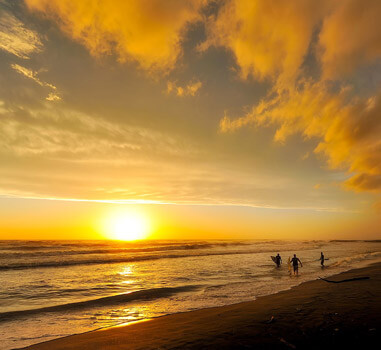
Biarritz didn’t become Europe’s surf capital by chance. The Basque Coast offers regular waves and a sandy bottom reassuring for beginners. Plan about €40 for a 1.5-hour session with equipment included. Instructors quickly spot your level and have you standing on the board at the first lesson. What to do in Basque Country with teenagers? Sign them up here: they’ll ask for more! For waveless days, Hendaye offers calmer conditions, ideal for children from age 6.
Forget hiking if traveling with young children: the Rhune train does the work. This little wooden train, unchanged since 1924, climbs to 905 meters in 35 minutes. At the top, the panorama is magnificent: the ocean on one side, the Pyrenees on the other. Bring a fleece even in summer, wind blows strong at the summit. The round trip takes about 2.5 hours, and pottoks (Basque wild horses) met along the way amaze children.
Claire’s favorite: take the first morning train. You’ll avoid waiting lines and have the summit almost to yourself. The light there is incredible.
Everyone knows Espelette for its red pepper garlands hung on facades. But the village deserves more than an Instagram photo. Stop at Biperra workshop to understand how Espelette AOP pepper is grown and dried. Taste pepper chocolate at Antton. And if you come in late October, the Pepper Festival gathers more than 20,000 visitors around tastings, contests and cooking demonstrations.
San Sebastián has its reputation, but Bayonne holds its own easily. Petit Bayonne neighborhood abounds in pintxo bars where each counter overflows with mouthfuls prepared that morning. The ritual is simple: you order a glass of txakoli, point to what appeals, and count the toothpicks at the end. Plan €2 to €3 per pintxo. Bar du Marché and Café du Théâtre are two sure bets. What to do in Basque Country on a rainy evening? That’s the perfect answer!
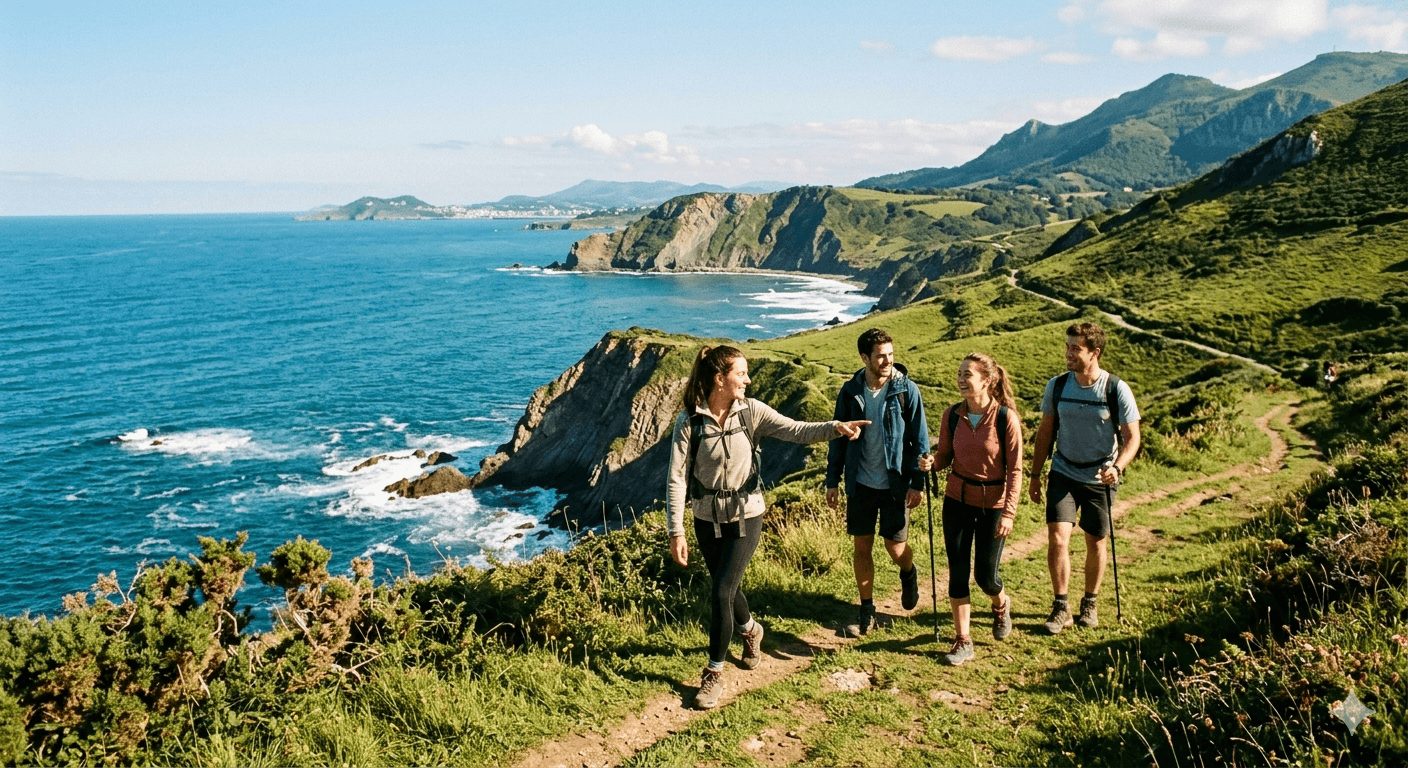
This coastal path connects Bidart to Hendaye over more than 54 kilometers marked. No need to do it all at once: the section between Hendaye and Saint-Jean-de-Luz (about 3 hours, 12 km) is the most beautiful, between cliffs, hidden coves and views of the Basque Corniche. The path is accessible without special equipment, but closed shoes are recommended on rocky sections.
Saint-Jean-de-Luz has retained authenticity that Biarritz has sometimes lost. Its fishing port is still active, trawlers return in the morning and you can buy fresh fish directly from the market. Louis XIV’s House, the waterfront and the church where the Sun King was married can be visited on foot in a few hours. Tuesday and Friday mornings, the covered market is a must for food lovers.
Claire’s tip: settle at a Bar Basque terrace at day’s end, facing the port. The atmosphere is local, relaxed, and the sunset beats all starred restaurants.
We shift completely with these caves classified as Historic Monuments. Inhabited over 80,000 years ago, they preserve engravings, stalactites and a striking atmosphere. The guided tour lasts about 45 minutes and suits children from age 5. It’s also the ideal activity when Basque weather acts up: it’s 14°C year-round inside.
These two villages, classified among France’s Most Beautiful Villages, deserve unhurried visits. Ainhoa, with its single street bordered by red half-timbered houses, is covered in 30 minutes but savored much longer. Sare, at the foot of Rhune, is the departure point for several easy hikes. The two villages are 10 minutes apart by car: combine them in the same half-day!
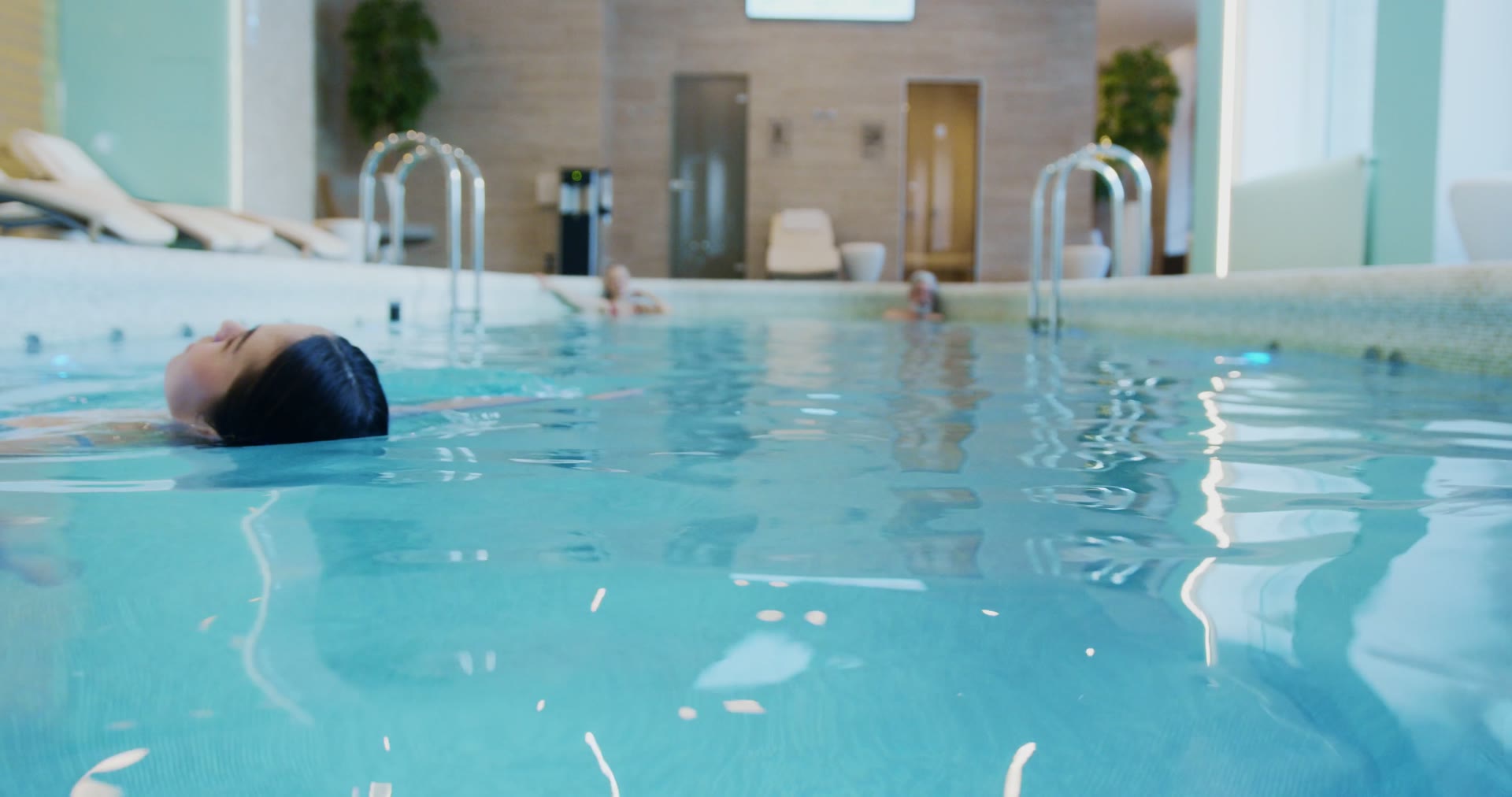
For families, a camping with water park in Basque Country transforms a stay into a vacation without downtime. Slides, heated pools, paddling pools for little ones: children stay occupied while parents relax. Covered pools let you enjoy them even when weather clouds over, which in Basque Country happens more often than desired.
Basque Country doesn’t stop at the border. San Sebastián (Donostia in Basque) is just 35 minutes by car from Hendaye. Its Concha beach, old town and pintxo bars in the Gros neighborhood deserve at minimum a full day. Crossing into Spain also gives another perspective on Basque culture and traditions shared on both sides of the border.
Book your stay quickly and set off to discover Basque Country!
From May to October, for the weather and outdoor activities. June and September strike the best balance: fine weather, accessible beaches, and reasonable crowds. July-August is peak season, with higher prices and heavily visited sites.
The Isturitz caves, the Biarritz Aquarium, the Basque Museum in Bayonne, and a pintxos crawl through Petit Bayonne easily fill a rainy day. And if you're staying at a campsite with a heated indoor pool, the kids won't even notice the difference.
A minimum of 5 days lets you cover the coast, one or two inland villages, and a trip to San Sebastián. With a full week, you'll have time to alternate beach, hiking and sightseeing without rushing.
At a campsite, allow from €10 a night for a pitch, or €169 a week for a mobile home. Pintxos cost around €2-3 each, a surf lesson €40, and the Rhune train €22 per adult. The Basque Country remains an affordable destination if you avoid the touristy seafront restaurants.
Perfectly. Lifeguarded beaches, water parks at campsites, the Rhune train, caves, the Biarritz Aquarium: there's no shortage of family activities. Most are accessible from age 5-6, and the villages are compact enough to explore without an all-terrain pushchair.