

guide

A granite massif, gorges several hundred meters deep and caves open to the public: the Cevennes concentrate a rare diversity of landscapes in France. The National Park has protected this nature from high peaks to underground rivers. Do you seek what to do in the Cevennes as a family, between hiking, swimming and geological discoveries?
Our selection of eight sites helps you organize your days, with a campsite with water park as your home base after the effort.
Highest point of the Gard, Mont Aigoual dominates the massif at 1565 meters altitude. Its meteorological observatory, the last of its kind still inhabited in France, now houses the Climatograph, a center for raising awareness of climate change opened after restoration. From the summit, the 360-degree panorama reaches the Mediterranean on clear days. Seasoned hikers climb via the famous trail of 4000 steps from Valleraugue, while families prefer short loops around the observatory.
Visitor favorite: the panorama that suddenly opens to the Alps and sea after the final climb.
Practical information:
Between Quézac and Le Rozier, the Tarn has carved a vertiginous canyon of 53 kilometers, 400 to 600 meters deep. The river winds between cliffs, ruined castles and secret beaches, forming ideal terrain for canoeing, kayaking and rafting. From Sainte-Énimie to La Malène, swimming spots succeed one another in clear water. Canoeing remains the flagship activity for discovering the gorges by water, at a pace accessible to families.
Visitor favorite: the boat crossing from La Malène, guided by local boatmen.
Practical information:
Nicknamed the “pink grotto” for its ochre tints, the Dargilan grotto in Meyrueis was the first cave in the region open to the public, discovered in 1888. The guided tour travels nearly a kilometer of galleries rich in concretions, including a famous petrified waterfall. The circuit descends through a sequence of large rooms, at cool temperatures year-round. It’s an ideal outing on hot days or during rain, when outdoor activities become complicated.
Visitor favorite: the pink dome hall and its mineral waterfall frozen in stone.
Practical information:
Near Mont Aigoual, the Abysm of Bramabiau harbors an underground river, the Bonheur, which has carved a network of galleries, eleven kilometers of which are recorded. The equipped visit since 2006 travels one very accessible kilometer, between walkways and waterfalls. The name, meaning “bellowing ox” in Occitan, evokes the roar of water at the cave exit. This discovery is very popular with children, captivated by the river noise and coolness of the path.
Visitor favorite: the roar of the waterfall at the entrance, which gives its name to the site.
Practical information:
In the heart of the Jonte gorges, the House of Vultures allows observation of the large birds of prey reintroduced to the massif. Cameras broadcast live the nests installed on cliffs, and a terrace equipped with telescopes delivers a privileged observation point. Griffon vultures soar above the gorges from April to October, the period when they are most visible. The exhibition traces their return to the Grand Causses, a rare case of successful reintroduction.
Visitor favorite: the flight of griffon vultures grazing the cliff face across from the terrace.
Practical information:
Connecting Florac to Saint-Jean-du-Gard, the Corniche of the Cevennes follows a classified scenic road ridge. Originally traced by royal troops, it now connects the slate highlands to Cevennes valleys in a succession of viewpoints. The drive or bike ride alternates moorlands, chestnut forests and stone hamlets. Several equipped viewpoints invite you to stop and take in Mont Lozère and Vallée Française.
Visitor favorite: the Can de l’Hospitalet viewpoint and its dramatic view over the valleys.
Practical information:
The highest granite massif in the National Park, Mont Lozère culminates at the summit of Finiels at 1699 meters. Its vast moorland expanses, punctuated by granite blocks and traditional villages, guarantee total escape. Stevenson’s path, the famous long-distance hiking trail, crosses its slopes. In winter, the Bleymard Nordic ski station enlivens the massif, while summer lends itself to hiking and observing livestock at summer pasture.
Visitor favorite: the summit of Finiels, where the view sweeps the Massif Central to Mont Ventoux.
Practical information:
Nestled at the bottom of the gorges, Sainte-Énimie ranks among France’s Most Beautiful Villages. Its sloping cobbled streets, limestone houses and former monastery tell a long history intertwined with the legend of the Merovingian princess who gave it her name. The village serves as an ideal base for exploring the Tarn gorges, on foot or by canoe. Riverside terraces invite a break after visiting the medieval town.
Visitor favorite: the view of village rooftops from the viewpoint overlooking the gorges.
Practical information:
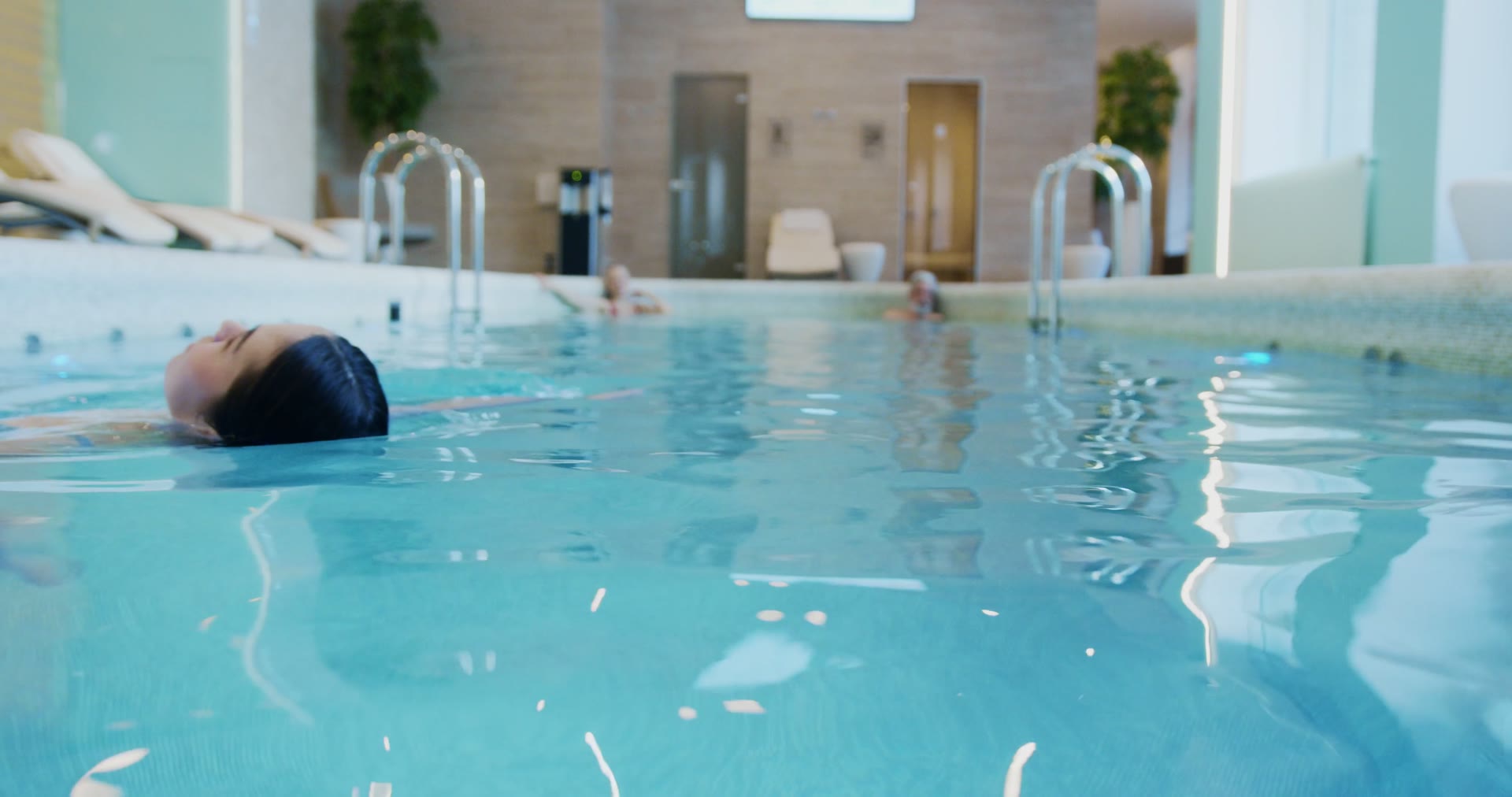
You now know what to do in the Cevennes, from peaks to underground rivers. Where can you set up camp to travel easily between gorges and caves? Book your stay now at a campsite with water park in Lozère and enjoy a heated swimming pool to relax the whole family after each day of adventure.
Spring and early autumn offer mild temperatures and lush scenery, ideal for hiking. Summer is best for whitewater sports and swimming in the Tarn, though the caves remain the best option during heatwaves.
Yes, the routes starting from Sainte-Énimie suit every level. Short trips lasting a few hours let children discover the river safely, with a life jacket and, depending on the rental company, a guide.
The Dargilan cave and the Bramabiau chasm can be visited whatever the weather, at a cool, constant temperature. The Maison des Vautours also offers a covered exhibition space in the Jonte gorges.
Absolutely. The short trails around Mont Aigoual, easy-access cave visits and the beaches along the Tarn make for an accessible programme. Accommodation with a pool makes evenings after outings much easier.
In peak season, it's wise to book canoe trips and cave visits ahead, as they get very busy. Check the official websites for current times and conditions.