

Blog

The breaststroke, known for its distinctive swimming style and fluidity, stands out as one of the oldest and most popular forms of swimming. It is characterized by a symmetrical movement of the arms and legs, reminiscent of a frog. The arms begin extended in front of the swimmer, then spread laterally before joining under the chin, propelling the body forward. The legs, meanwhile, perform a movement here
This swim is particularly appreciated for its soft appearance for the joints and its effectiveness in terms of muscle strengthening, especially in the upper body, thighs and calves. It is often recommended for beginners in swimming, people looking for low-impact exercise, and is also used in aquatic therapy. Breaststroke combines technique, endurance and coordination, making it a demanding and rewarding swim. campsite with water park, your child will be able to perfect his swimming technique!

The crawl, often referred to as a freestyle, is the fastest and most practiced swim in the swimming world. This style is characterized by its efficiency and speed, made possible by continuous and rhythmic movements of the arms and legs. The arms operate alternately, one plunging into the water while the other performs an aerial recovery movement. This action is synchronized with a fast and constant leg flapping, known as “
Breathing in a crawl is done by turning your head to the side with each arm movement, allowing you to get some air without interrupting the swimming rhythm. The crawl is often the swim of choice in swimming competitions due to its speed. In addition to being an excellent cardiovascular exercise, it develops endurance, tones the entire body, and improves coordination and flexibility. This swim combines technique, power and endurance, making
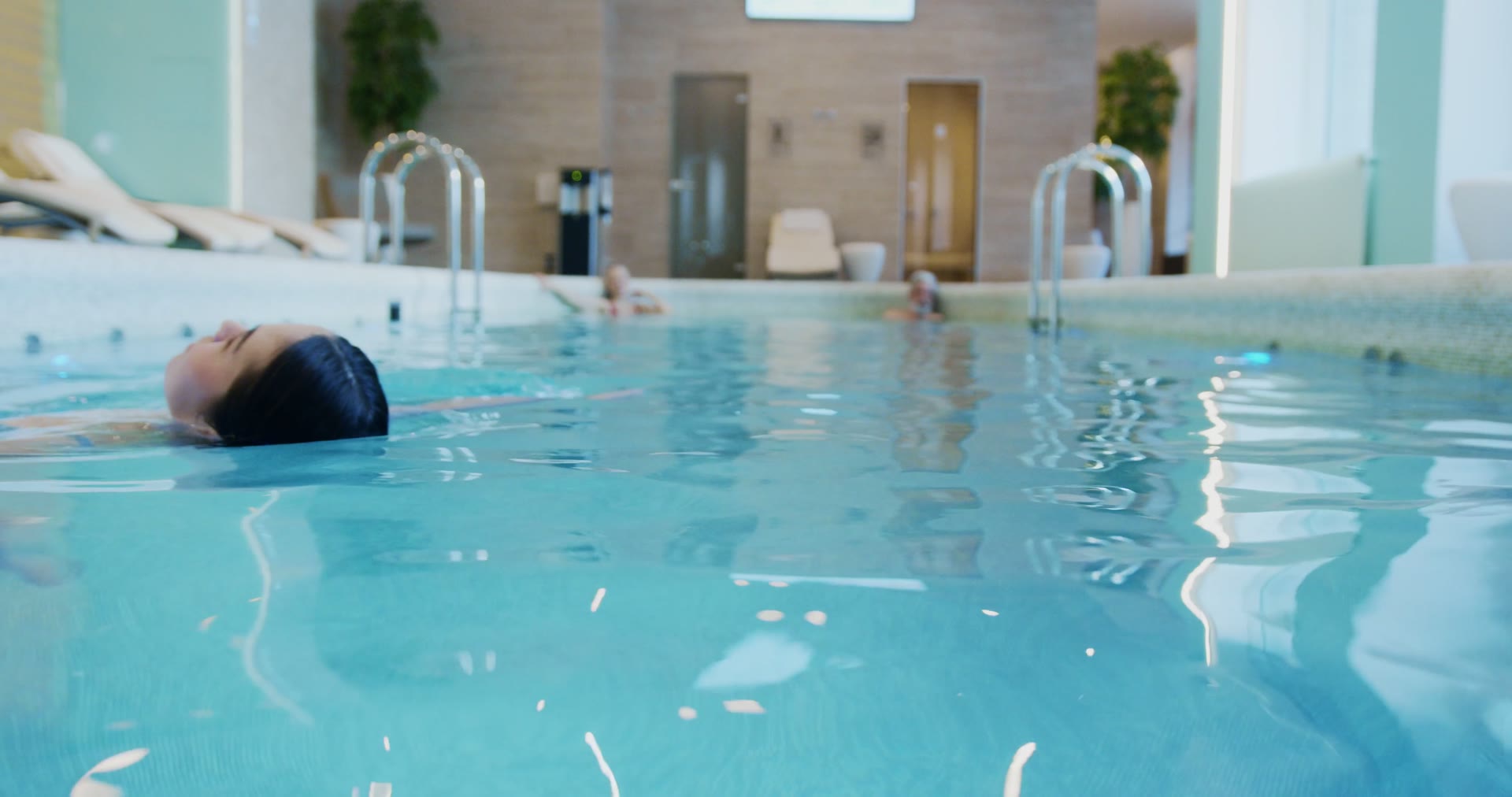
The crawled back is unique among swimming styles as it is practiced on the back, offering a different perspective and a distinct swimming experience. This swimming is characterized by a reciprocating movement of the arms, where each arm makes a complete circular movement, from the penetration of the hand in the water above the head to the propulsion up to the hips, while the other arm prepares to dive. The legs perform a continuous and rhythmic beat for stab
Breathing in a crawled back is less restrictive than in other swims, as the face remains out of the water, allowing for natural and regular breathing. This swimming is particularly beneficial for strengthening the back muscles, improving posture and providing effective cardiovascular training. The crawled back is also an excellent choice for swimmers wishing to avoid tension in the neck and shoulders, often associated with other swimming styles.

The butterfly is a spectacular and demanding swim, often considered one of the most difficult in swimming. Characterized by its unique and powerful movement, the butterfly involves complex coordination between the arms, legs and breathing. The arms move simultaneously, drawing an arc from the front to the hip, while the legs perform an undulatory beat, called a “dolphin beat”, which starts from the torso and spreads to
Butterfly breathing is synchronized with the movement of the arms; the swimmer breathes by lifting his head out of the water with each stroke of the arm. This swim particularly develops upper body strength, muscle power and endurance. Although physically demanding, butterfly swimming is rewarding in terms of speed and efficiency when mastered. It’s a swim of choice for advanced swimmers looking to tackle tech challenges
Combined swims, or “medley” in English, represent a swimming discipline that tests the versatility of swimmers by combining four different styles in a single race. In competition, there are two main forms of combined swimming: the individual medley and the medley relay. The individual medley requires the swimmer to chain the four swims in the following order: butterfly, back, breaststroke, and crawl. This sequence not only tests technical mastery
The medley relay, meanwhile, consists of four swimmers where each swims in a different style, combining the talents of the team. These events are exciting to watch and participate in, as they illustrate the diversity and complexity of swimming. Combined swims require great adaptability, robust fitness, and smart strategy, making this discipline a real challenge for swimmers.
Swimming is widely recognized for its many physical and mental health benefits. As a low-impact exercise, it is ideal for all ages and fitness levels, reducing the risk of joint and muscle injuries. Swimming engages the whole body, improving muscle strength, toning and endurance, while providing effective cardiovascular training.
In addition to burning calories, which is beneficial for weight management, swimming strengthens the heart and lungs, improving blood circulation and respiratory capacity. Mentally, it reduces stress and anxiety through the soothing effect of water and the release of endorphins. Swimming can also improve sleep quality, increase energy levels and promote a better mood.
For people with conditions such as arthritis or rehabilitation after injury, swimming serves as a therapeutic exercise, helping with mobility and rehabilitation without undue stress on the body. In short, swimming is a complete activity, beneficial for the mind, body and spirit.


