

guide
This article presents the must-sees of Trégunc in southern Finistère: the Pointe de Trévignon and its Natura 2000-listed dunes, the white sand beaches of Trévignon and Kersidan, the Mousterlin marsh, the walled town of Concarneau, and the painters' village of Pont-Aven. It details the watersports and coastal hikes accessible from Trégunc, near the Glénan archipelago.
Trégunc is one of the best-preserved coastal communities of Finistère — just 6 km from Concarneau, this small territory of southern Brittany conceals some of the most beautiful wild coastlines in France: the white sand beaches of the Pointe de Trévignon, the dunes and ponds of Trévignon classified as a Natura 2000 zone, the Mousterlin marsh and its natural riches, and authentic fishing ports that have inspired painters since the 19th century. Things to do in Trégunc means discovering Brittany‘s untouched nature, cycling tours on the customs officers’ trail and water sports activities in a setting of great beauty in Finistère. Here is the complete guide to activities in Trégunc and its surroundings.
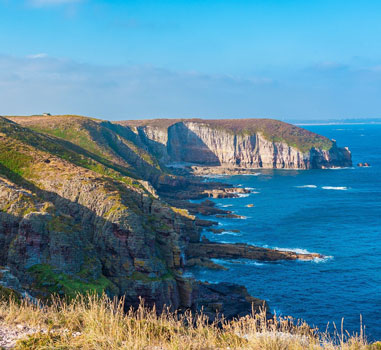
The Pointe de Trévignon is the most remarkable natural site in Trégunc — this promontory jutting into the Atlantic concentrates within a few hectares an active fishing port, a pebble beach, coastal moorland, a 19th-century lighthouse and the Trévignon dunes and ponds, an ensemble of rare natural wealth in Finistère. The Trévignon ponds, separated from the sea by a dune cordon, form a Natura 2000 zone sheltering more than 100 species of migratory and nesting birds — an exceptional birdwatching destination in Brittany. The sunset at Trévignon is one of the most beautiful in Finistère — from the Pointe de Trévignon, in clear weather, you can distinguish the islands of the Glénan archipelago and the Cap Sizun coast on the horizon.
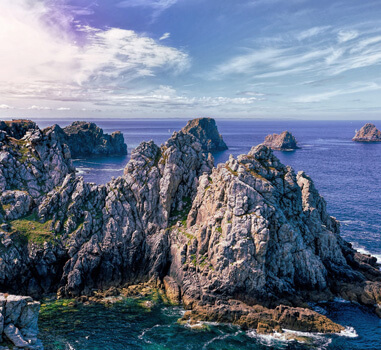
What other articles don’t mention: Pointe Jument, 1 km east of the Pointe de Trévignon accessible via the customs officers’ trail, offers an even more wild view of the Atlantic reefs and breakers — very few tourists venture there, and it’s the ideal place to observe grey seals resting on rocks at low tide (especially from October to March).
Claire’s tip: To experience the Pointe de Trévignon at its best, park at the port parking (free outside July-August) and walk the 2 km of the customs officers’ trail from Trégunc to the point — the view gradually opens onto the beaches and dunes, and you arrive with a 180° panorama over the Atlantic. Best time: one hour before sunset in May-June.
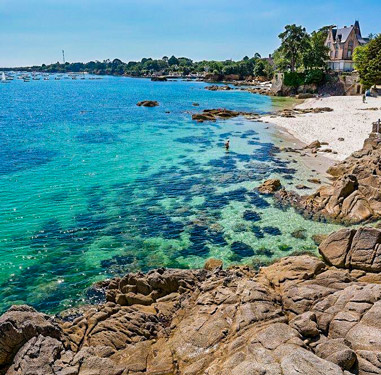
The white sand beaches of Trégunc rank among the most beautiful in Finistère — their fine white sand, turquoise waters and natural dune setting clearly distinguish them from the more urbanized beaches of the Breton coast. The Trévignon beach (or port beach) is the most frequented — 600 m of sand facing the Atlantic, lifeguarded in July-August, with direct access to the Trévignon fishing port. Kersidan beach, 3 km from Trégunc towards Mousterlin, is the wildest of the white sand beaches on Trégunc’s coastline — its 5-meter-high dunes, heather moorland and shallow waters make it an ideal spot for families and stand-up paddleboarding.
Trégunc hiking: the customs officers’ trail (GR34) runs along the entire Trégunc coastline for 14 km, connecting Pointe de Trévignon to Mousterlin through beaches, dunes, rocks and moorland — one of the most beautiful coastal hikes in Finistère with exceptional fauna and flora richness.
The Mousterlin marsh is Trégunc’s great nature reserve — these coastal wetlands classified as a Natura 2000 zone in Brittany shelter remarkable wildlife and flora richness: white spoonbills, European pond turtles, otters, agile frogs and over 200 plant species. Marked trails cross the Mousterlin marsh along the ponds — free hiking trails in Trégunc accessible from the Mousterlin parking lot (at the end of D144, 15 minutes from Trégunc by car). Mousterlin point itself is a spectacular white sand spit extending into the bay — its white sand beaches on the Concarneau bay side and Atlantic side offer two radically different vibes depending on the weather.
Claire’s tip: To observe the wildlife and flora of the Mousterlin marsh, come at dawn (before 7am) in April-May — white spoonbills and purple herons feed in the mudflats, and the golden light on the dunes and ponds is of rare beauty in Finistère. Bring binoculars and boots — marsh trails can be muddy.
Concarneau, 6 km from Trégunc, is one of the most fascinating towns in Finistère — its Concarneau Ville Close, medieval fortress built on an island connected by a bridge, is one of the best-preserved walled cities in Brittany. The ramparts of the Concarneau Ville Close (free entry and visit) can be admired from the gangway that circles the island in 30 minutes, with views over the fishing port and bay. The Fishing Museum of Concarneau (in the Ville Close, €7 adults) traces the history of tuna and sardine fishing in Brittany — a fascinating visit for the whole family. The Concarneau fishing port is France’s third fishing port — the fish market (tours by reservation, 6am) is a unique experience to discover authentic maritime Brittany.
The Blue Nets, the traditional folk festival of Concarneau (late August), are among Brittany’s oldest festivals — Breton dances, music and costumes enliven the Ville Close and port for several days.
Pont-Aven, 20 km from Trégunc inland in Finistère, is the town of Paul Gauguin — it was in this village in the Aven valley that the painter created with his post-impressionist companions the works that would revolutionize modern art. The Pont-Aven museum (the school of Pont-Aven collections, Paul Gauguin, Émile Bernard, Sérusier) deserves half a day during a stay in Trégunc. The picturesque port of Pont-Aven, its art galleries, studios and mills on the Aven make it one of Finistère’s richest cultural destinations, perfectly suited to the wild nature of Trégunc Brittany.
The Glénan archipelago, visible from Pointe de Trévignon on clear days, is the most sought-after water sports destination in southern Finistère — its turquoise waters, white sand beaches and exceptional underwater fauna make it Brittany’s most renowned diving spot. Boat trips from Concarneau to the Glénan archipelago are offered daily (€25-35 per person, 45 minutes crossing) — booking essential in July-August. The famous Glénan daffodil (endemic species unique in the world) blooms in March-April on the islands — a reason to visit the archipelago off-season from Trégunc.
Water activities in Trégunc are plentiful: sea kayaking and stand-up paddling from Pointe de Trévignon (rental €15-20/hour), sailing from Concarneau, and cycling tours on bike paths between Trégunc and the beaches of the coastline — electric bikes available for rent in Trégunc town center (€20/day).
Cycling tours in Trégunc are among the most pleasant in Finistère — the network of greenways and secondary roads on the coastline allows you to safely connect Trégunc town center to beaches, ports and dunes while avoiding summer traffic. The Trégunc beaches cycling circuit (12 km, 1.5 hours) passes through Pointe de Trévignon, Mousterlin marsh and Kersidan beaches — a perfect loop in Finistère to discover the full diversity of Trégunc’s coastline. Hiking tours in Trégunc are also offered from the tourism office — maps and hiking guides of coastal trails and circuits through Trégunc Brittany’s natural heritage.
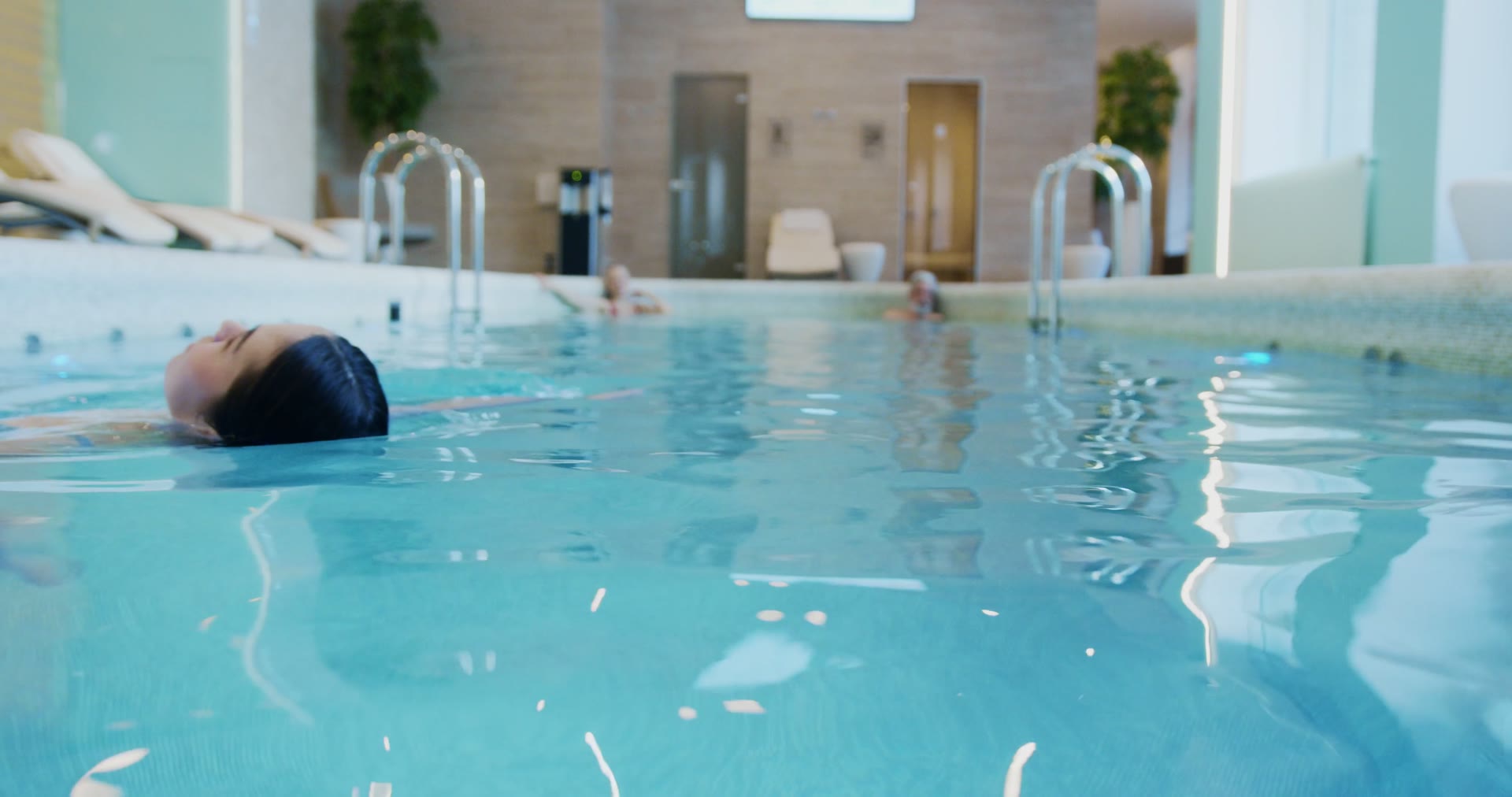
Campings in Trégunc and southern Finistère offer water parks with heated swimming pools in a setting of preserved Breton nature — just minutes from white sand beaches, the customs officers’ trail and Pointe de Trévignon. A stay at a campsite in Trégunc allows you to easily explore all the sites of southern Brittany: Concarneau Ville Close (6 km), Pont-Aven and Paul Gauguin (20 km), the Glénan archipelago (crossing from Concarneau), Cap Sizun and Pointe du Raz (60 km). Campings in Finistère around Trégunc are ideally located to enjoy both water sports activities, coastal hikes and the exceptional wildlife and flora of Brittany’s coastline.
The must-do activities in Trégunc are: the Pointe de Trévignon (lighthouse, dunes and ponds, fishing harbour), the white sand beaches of Kersidan and Trévignon, the Mousterlin marsh (exceptional flora and fauna, Natura 2000 zone), the customs officers' path (GR34, 14 km of wild coastline), and watersports (kayaking, stand-up paddleboarding). The walled town of Concarneau (6 km) and Pont-Aven (Paul Gauguin, 20 km) round out a stay in Trégunc, Finistère.
The Pointe de Trévignon is 5 km from the centre of Trégunc via the D122 - parking at Trévignon harbour (free outside July-August, €4 in season). For hikers, the customs officers' path (GR34) links Trégunc centre to the Pointe de Trévignon in a 2-hour walk. By bike, the beach route passes the Pointe de Trévignon (12 km from the centre). The sunset at Trévignon is one of the most spectacular in Finistère.
The Mousterlin marsh is a Natura 2000-listed coastal wetland in Finistère, 5 km from Trégunc. Its rich flora and fauna (spoonbills, otters, European pond turtles, 200 plant species) make it one of the most valuable natural areas in Brittany. Free hiking trails cross the marsh from the Mousterlin car park - reachable by bike from Trégunc in 20 minutes.
Yes - the Glénan archipelago is reachable by boat from Concarneau, 6 km from Trégunc (45-minute crossing, €25-35 return). Day trips run from April to September. The archipelago is visible from the Pointe de Trévignon on clear days. Watersports around the Glénan (diving, snorkelling, kayaking) rank among the best in Finistère and all of Brittany.
Yes, Trégunc and its surroundings in Finistère offer 3- to 5-star campsites with water parks and heated pools - ideally located just minutes from the white sand beaches and the Pointe de Trévignon. These campsites let you enjoy the Trégunc coastline while also exploring the walled town of Concarneau, Pont-Aven and the Glénan archipelago, making Trégunc in Brittany an ideal base for discovering southern Finistère.