


guide

Largest island on France’s Atlantic coast after Corsica, the Isle of Oléron is a sure bet for Charente-Maritime family vacations. Connected to the mainland by a free bridge, about fifty kilometers and roughly 45 minutes from La Rochelle, “Luminous Oléron” unfolds long sandy beaches, 160 km of bike paths, lively fishing ports and colorful oyster villages. From Saint-Denis-d’Oléron at the northern tip to Saint-Trojan-les-Bains in the south, here are our must-sees to know what to do on the Isle of Oléron during a weekend or full stay.
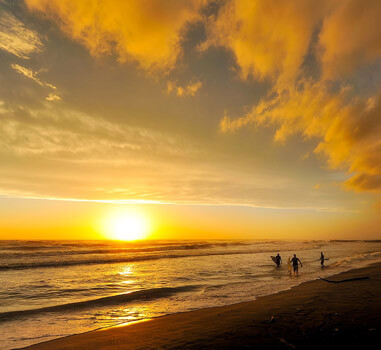
At the northern tip of the Isle of Oléron, on Saint-Denis-d’Oléron town, the Chassiron Lighthouse is the emblematic image of the destination. Striped black and white, it reaches 46 meters: its 224 steps reward the bravest with a panoramic view of the ocean, Isle of Ré, Isle of Aix and the famous Fort Boyard. At its feet, gardens designed as a compass rose and rocky plateau dotted with old fish traps are worth the visit by themselves. It’s one of the most beautiful viewpoints on the entire Isle of Oléron, to discover at sunset.
Head southeast to Château-d’Oléron town, which guards the island’s entrance. Its citadel, wanted by Richelieu from 1630 and perfected by Vauban around 1700, unfolds ramparts, bastions and monumental gates facing Maumusson strait. Today restored, the Château-d’Oléron citadel hosts exhibitions, concerts and events year-round. All around the port, old colorful oyster cabins have been taken over by artists and craftspeople: an ideal walk for browsing family-friendly with workshops, shops and views over the marshes.
Capital of Marennes-Oléron oyster, the island lives to the rhythm of oyster farming. At Saint-Pierre-d’Oléron, the Fort-Royer site is an authentic oyster village of about forty cabins on a natural reserve edge: you visit the beds, watch oyster farmers work and taste oysters facing the parks. At Dolus-d’Oléron, multicolored cabins lined along the Baudissière canal offer another photogenic setting, perfect for a walk and salty tasting. Enthusiasts will extend the experience at Saint-Pierre-d’Oléron or Château-d’Oléron markets.
On the west coast at Saint-Pierre-d’Oléron, La Cotinière is the only fishing port on the Isle of Oléron and one of the most active in Charente-Maritime. On boat return, the auction livens and stalls fill with freshly landed fish, shrimp and langoustines. Children love watching colorful trawlers and the rush of seagulls, while port restaurants serve the day’s seafood. A flavorful and lively stop, completed by a boardwalk walk.
To entertain children while learning, two sites stand out on the Isle of Oléron. At Grand-Village-Plage, Port des Salines brings salt marshes back to life: you follow salt farmers’ work, understand salt formation and enjoy a museum and playful workshops, sometimes by boat. In the island center at Dolus-d’Oléron, Marsh of Birds deploys 130 hectares of old marshes and woods; this animal park, coupled with a wild fauna rescue center, delights younger visitors with storks, herons and other residents. Two perfect activities on gray days.
At the south end of the Isle of Oléron, Saint-Trojan-les-Bains houses one of the great family classics: the Saint-Trojan little train. This little train on rails crosses the maritime pine forest for about 1h15 round trip to reach the wild beaches of Grande Côte and Gatseau, accessible only this way. A nature break appreciated by little and big alike, completed by a walk or bike ride under pines. Saint-Trojan-les-Bains also charms with its small spa town feel and oyster cabins.
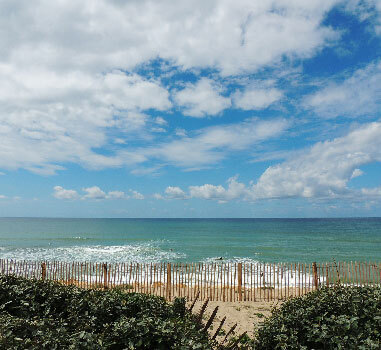
The Isle of Oléron has two faces. On the east, bay side, sheltered beaches of Boyardville, Saint-Trojan or Gatseau point offer calm, shallow water ideal for children’s swimming. On the west, Grande Côte lines vast wilder, windier beaches favored by surfers, like Vert-Bois, Domino or Sables Vignier, supervised in season. In the north at La Brée-les-Bains, don’t miss the famous striped beach cabins, one of the island’s most photographed settings. Whatever the town – Saint-Georges-d’Oléron, Saint-Pierre-d’Oléron or Saint-Denis-d’Oléron – a beach is never far.
With over 160 km of secured bike paths, Oléron is a paradise for cycling families. Routes easily connect villages of Saint-Pierre-d’Oléron, Dolus-d’Oléron, Saint-Georges-d’Oléron or Saint-Trojan-les-Bains, crossing pine forests, marshes and sand dune backcountry to beaches. Most campsites and rental shops offer bikes adapted to all ages, with trailers and child seats. By bike or foot, it’s the finest way to feel the pulse of the Isle of Oléron.
Access to the Isle of Oléron is among the simplest on the coast: from Bourcefranc-le-Chapus, near Marennes, the Oléron viaduct, nearly 3 kilometers long, crosses the strait free of charge by car. Allow about 45 minutes from La Rochelle and its airport, or about thirty minutes from Rochefort station. On-site, better to alternate car for long distances and bike for reaching beaches, markets and villages, especially in summer when traffic thickens around Saint-Pierre-d’Oléron and Château-d’Oléron.
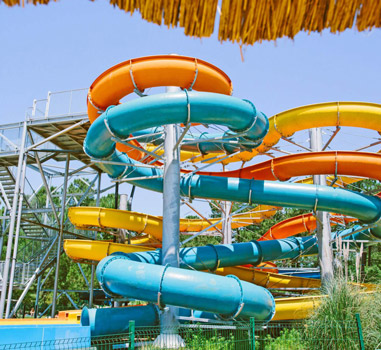
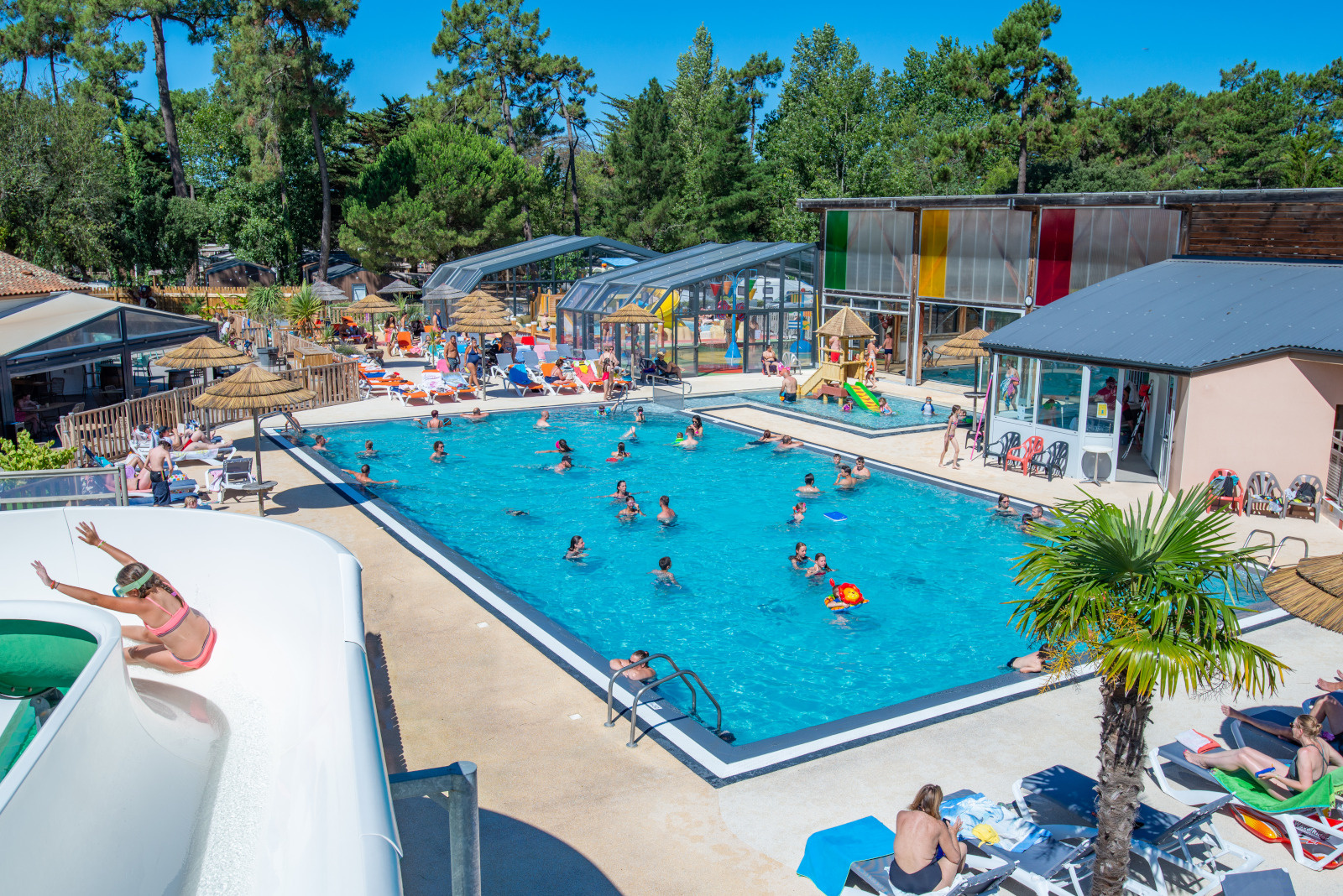
To extend the day after the beach, nothing beats a campsite with water park. The Isle of Oléron and Charente-Maritime have many establishments with heated pools, slides and water spaces for the whole family, at Saint-Pierre-d’Oléron, Saint-Georges-d’Oléron, Dolus-d’Oléron or Saint-Trojan-les-Bains. Combine island discovery and swimming in peace, near beaches and bike paths. Budget-conscious families can also target VACAF-eligible campsites.
Between ocean and nature, the Isle of Oléron has all the makings of an ideal family vacation destination: beaches for all tastes, sites to visit on foot or bike, sunshine and an iodized way of life. Less than an hour from La Rochelle, it works just as well for a short getaway as a long week of vacation. Keep this guide handy when preparing your next escape and make the most of everything there is to do on the Isle of Oléron.
The Île d'Oléron is connected to the mainland by a free bridge, the Viaduc d'Oléron, starting from Bourcefranc-le-Chapus near Marennes. Allow around 45 minutes from La Rochelle and about 30 minutes from Rochefort. Access is by car, toll-free, all year round.
The ideal period runs from May to September. July and August are the liveliest, with every activity open but also bigger crowds. Spring and early autumn offer beautiful light, mild temperatures and a quieter Île d'Oléron, perfect for cycling and walking.
A long weekend is already enough to see the essentials: the Chassiron lighthouse, Château-d'Oléron and a beach. To make the most of the Île d'Oléron, from La Cotinière to the marshes and Saint-Trojan-les-Bains, allow a week instead, the ideal pace for a family holiday.
Several activities suit bad weather: the Marais aux Oiseaux in Dolus-d'Oléron, the Port des Salines museum in Grand-Village-Plage, the exhibitions at the Château-d'Oléron citadel, or a campsite's covered, heated water park. Plenty to keep the whole family busy indoors.
Yes. The best viewpoint is at the Chassiron lighthouse, at the northern tip of the Île d'Oléron, from where you can spot Fort Boyard, Île d'Aix and Île de Ré. Boat trips from Boyardville or La Rochelle also let you get closer to the fort.
The east coast, facing the strait, is best suited to young children: the beaches of Boyardville, Saint-Trojan-les-Bains and the Pointe de Gatseau offer calm, shallow water. The west coast (Vert-Bois, Les Sables Vignier) is sportier and windier, with lifeguards during the season.