

guide
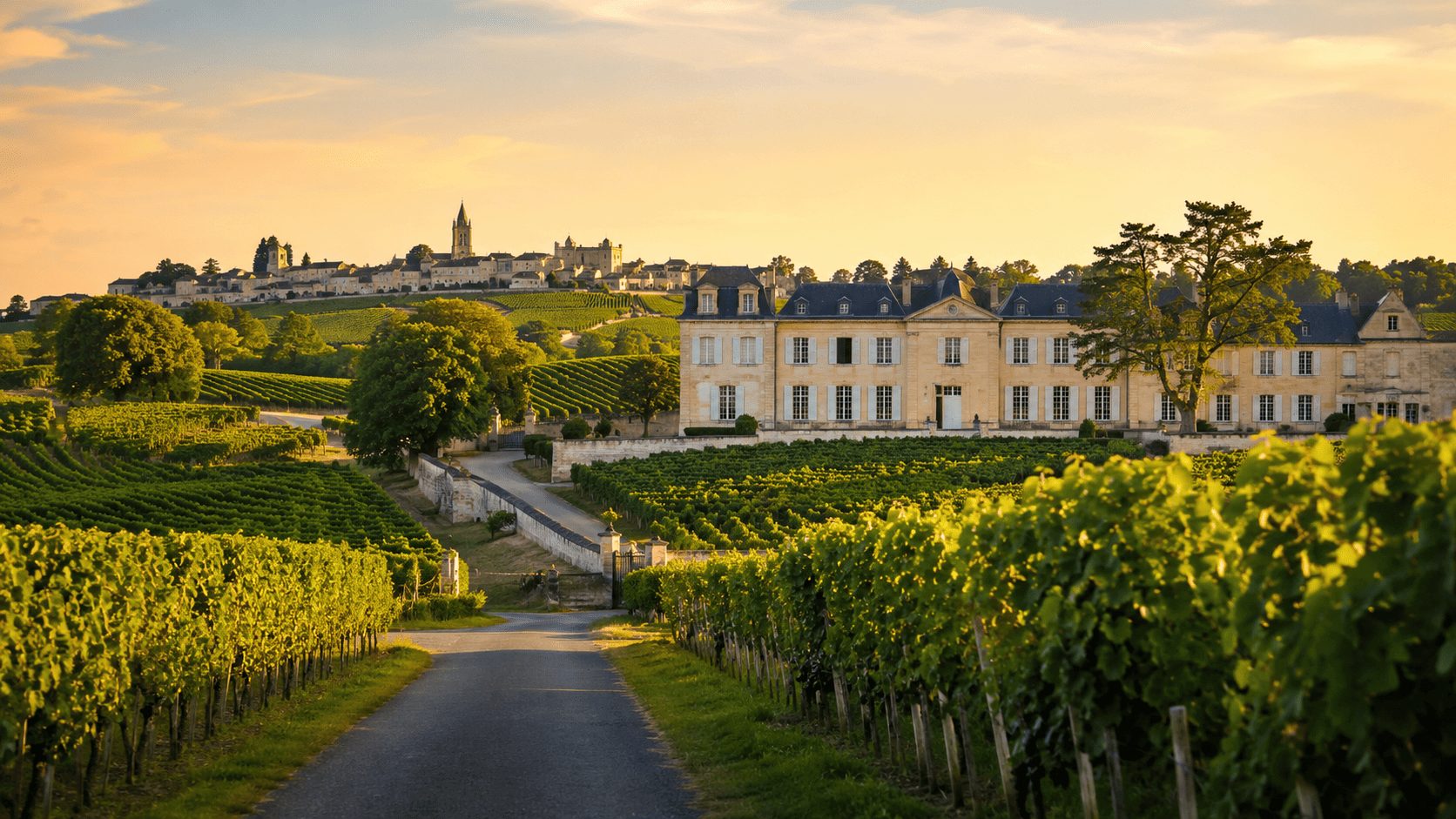
The Bordeaux Wine Route crosses one of the world’s largest vineyards, between prestigious châteaux and listed villages. Divided into five major routes, it connects Médoc to Saint-Émilion, passing through Graves, Sauternais and Entre-deux-Mers. You’re staying in Gironde at a campsite with water park and dreaming of a break among the vineyards?
Here are the routes, the most beautiful stops and our practical tips for organizing your discovery of the Bordeaux Wine Route!
The Bordeaux vineyard covers over 100,000 hectares and brings together around sixty appellations. The Bordeaux Wine Route is divided into five major routes, each with its own terroir and atmosphere.
Here’s how they are distributed around the Garonne and Dordogne:
Beyond tastings, the Bordeaux Wine Route holds real gems of culture. Two stages stand out above all others, as they tell the history of the vineyard.
Saint-Émilion is among the most beautiful wine villages in France. Its cobbled streets climb towards the monolithic church carved into the rock, in the middle of an ocean of vines. The views over the hillsides reward each climb, just before tasting grands crus.
In Bordeaux itself, Cité du Vin immerses visitors in wine culture from around the world. This immersive journey, punctuated by a tasting on the panoramic terrace, illuminates the history and terroirs before you hit the road. Allow about two hours for the visit.
Théo’s tip: don’t rush straight to the big names of Médoc. I recommend starting with Cité du Vin to understand the terroirs, then heading to Saint-Émilion at the end of the day. The evening light on the hillsides is magnificent there, and the wine cellars are much calmer once the tour buses have left.
To make the most of the Bordeaux Wine Route, it’s better to take your time and plan your route in advance. The best period runs from May to October, with harvest in September and the Médoc wine festival in early August.
« Also taste wines from small family properties: it’s often there, far from the big names, that the most beautiful surprises hide. » – Théo
Ready to combine family swimming and wine country walks? Book your campsite with water park in Gironde and set off on the Bordeaux Wine Route between swimming pool days.
The best time for the Bordeaux wine trail runs from May to October. Spring reveals vivid vineyard scenery and quiet roads, while September brings the grape harvest. Summer is pleasant too, but be sure to book château visits ahead.
It all depends on what you're after. A weekend is enough to discover one wine region, such as the Médoc or Saint-Émilion. To cover several routes of the Bordeaux wine trail, allow 4 to 5 days, with 2 or 3 visits a day.
Yes, booking is strongly recommended, especially for the great classified growths and during peak season. Many estates only welcome visitors by appointment. Booking ahead guarantees you a guided tour and a tasting in good conditions.
Yes, several car-free options exist. Agencies run minibus excursions with a driver from Bordeaux. The train serves Saint-Émilion, and the Entre-deux-Mers greenways are perfect for lovely cycling trips between the estates.