

The volcano of Cap d’Agde: 750,000 years of history between land and sea
Published on updated: - 5 min read - By Théo Mercier-Balaz
Contents
Key takeaways:
- Le volcan du Cap d’Agde est un complexe de trois anciens volcans dont le Mont Saint-Loup, qui culmine à 113 mètres d’altitude.
- Les éruptions se sont produites il y a environ 750 000 ans, d’abord sous la mer puis en milieu terrestre.
- La plage de la Grande Conque est la seule plage de sable noir de France métropolitaine, vestige direct de cette activité volcanique.
- Le basalte noir extrait localement a servi à bâtir la cathédrale Saint-Étienne d’Agde et le fort de Brescou.
- Plusieurs sentiers de randonnée permettent d’explorer les falaises volcaniques et le Mont Saint-Loup, avec un panorama exceptionnel sur le littoral.
Wondering what makes Cap d’Agde so distinctive? The answer lies beneath your feet. This seaside resort in the south of France sits atop the remains of a 750,000-year-old volcano. From the summit of Mont Saint-Loup to the black basalt cliffs plunging into the Mediterranean, volcanism at Cap d’Agde has shaped the landscape, the architecture and the local identity.
A black sand beach, geological trails, a fortified cathedral: here’s everything you need to know for your stay at a campsite with a water park in the region.
Three Volcanoes Behind the Landscape of Agde
The volcano at Cap d’Agde isn’t a single, isolated landform. It’s actually a volcanic complex made up of three ancient structures. The earliest eruptions, which took place around 750,000 to 1 million years ago, occurred underwater. They formed the characteristic yellow tuffs found in the area. A Strombolian phase then gave rise to the basalt flows that shape the coastline’s relief. According to Futura Sciences, this site marks the southern end of the Auvergne volcanic chain.
The three cones that make up this complex differ in altitude:
| Volcano | Altitude | Distinctive feature |
| Mont Saint-Loup | 113 metres | Highest point, former Strombolian cone |
| Mont Saint-Martin | 55 metres | Located at the heart of the seaside resort |
| Petit Pioch | 35 metres | The smallest of the three structures |
Volcanic Sites to Discover at Cap d’Agde
Cap d’Agde’s volcanic heritage can be explored both on foot and along the shore. Here are the three major sites to see during your stay in Agde.
Mont Saint-Loup, a Viewpoint at 113 Metres
The highest point of the complex, Mont Saint-Loup is a former Strombolian cone listed as a protected natural area. From its summit, the panorama stretches across the entire Languedoc coastline, from Sète to Cap Leucate. The hike to reach it covers around 6 kilometres in a loop with 110 metres of elevation gain, roughly 1.5 hours of walking. It’s one of the most striking viewpoints for taking in the volcano’s imprint on the Cap d’Agde landscape.
Claire recommends: “Climb Mont Saint-Loup in the late afternoon. The sunset over the Mediterranean, with Agde’s dark rooftops below, is well worth the detour.”
La Grande Conque, Mainland France’s Only Black Sand Beach
Nestled between basalt cliffs, La Grande Conque beach is Cap d’Agde’s volcanic jewel. Its black sand comes from thousands of years of erosion of volcanic rock by waves and tides. Around 200 metres long, this crescent-shaped cove reveals crystal-clear water that contrasts with the dark rock. The Deux Frères rocks, remnants of an ancient volcanic cone, rise up facing the beach and inspire a local legend well known to the people of Agde!
The Basalt Cliffs and the Underwater Trail
The volcanic cliffs of Cap d’Agde reveal a striking panorama from the viewpoint set 21 metres above the sea. Below, the underwater trail, open during the warmer months, offers a marked 400-metre round trip through water 1 to 4 metres deep. Educational buoys let you observe the wildlife, plant life and submerged volcanic geology at the foot of the cliffs. A unique way to discover Cap d’Agde’s volcanism beneath the surface.
Black Basalt, Agde’s Architectural Signature
The volcano at Cap d’Agde didn’t just shape the natural landscape. The dark rock quarried from its lava flows gave the town its nickname, “the black pearl of the Mediterranean.” Saint-Étienne Cathedral, a fortified 12th-century building listed as a historic monument, was built entirely from volcanic basalt. Its walls, 2 to 3 metres thick, and its 35-metre keep testify to the strength of this stone. Offshore, Fort Brescou, built in 1586 on a basalt islet, is another reminder of this land’s underwater origins, 750,000 years in the making.
Hiking in the Volcano’s Footballballsteps at Cap d’Agde
Several hiking routes let you explore Cap d’Agde’s geological heritage on foot. Here are the routes best suited to a family outing or a trip with fellow enthusiasts:
- Mont Saint-Loup hike: a loop of around 6 km, 110 metres of elevation gain, estimated duration 2h15. Starting from Cap d’Agde, with a panoramic view at the summit.
- Volcanic cliffs viewpoint: a coastal path offering a panorama over La Grande Conque, the Deux Frères rocks, the Jetée Richelieu and Fort Brescou offshore.
- Underwater trail: a marked 400-metre route at sea, open in summer, at the foot of the Cap d’Agde cliffs.
Claire’s tip : if you’re travelling with children, choose a campsite with an indoor water park in the Agde hinterland. That way, you can combine discovering the volcano and walking along the basalt cliffs with a backup plan of heated pools if the weather turns. An ideal formula for a successful family stay near Cap d’Agde.
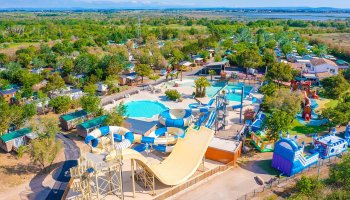
Planning a stay that combines discovering the Cap d’Agde volcano with family swims? Discover our campsites with water parks at Cap d’Agde! Enjoy slides, indoor pools and children’s activities just minutes from the black cliffs!
FAQ - The Cap d'Agde Volcano
Frequently asked questions
Sources
This selection of resources was consulted to write and verify certain points in the article.

Related articles
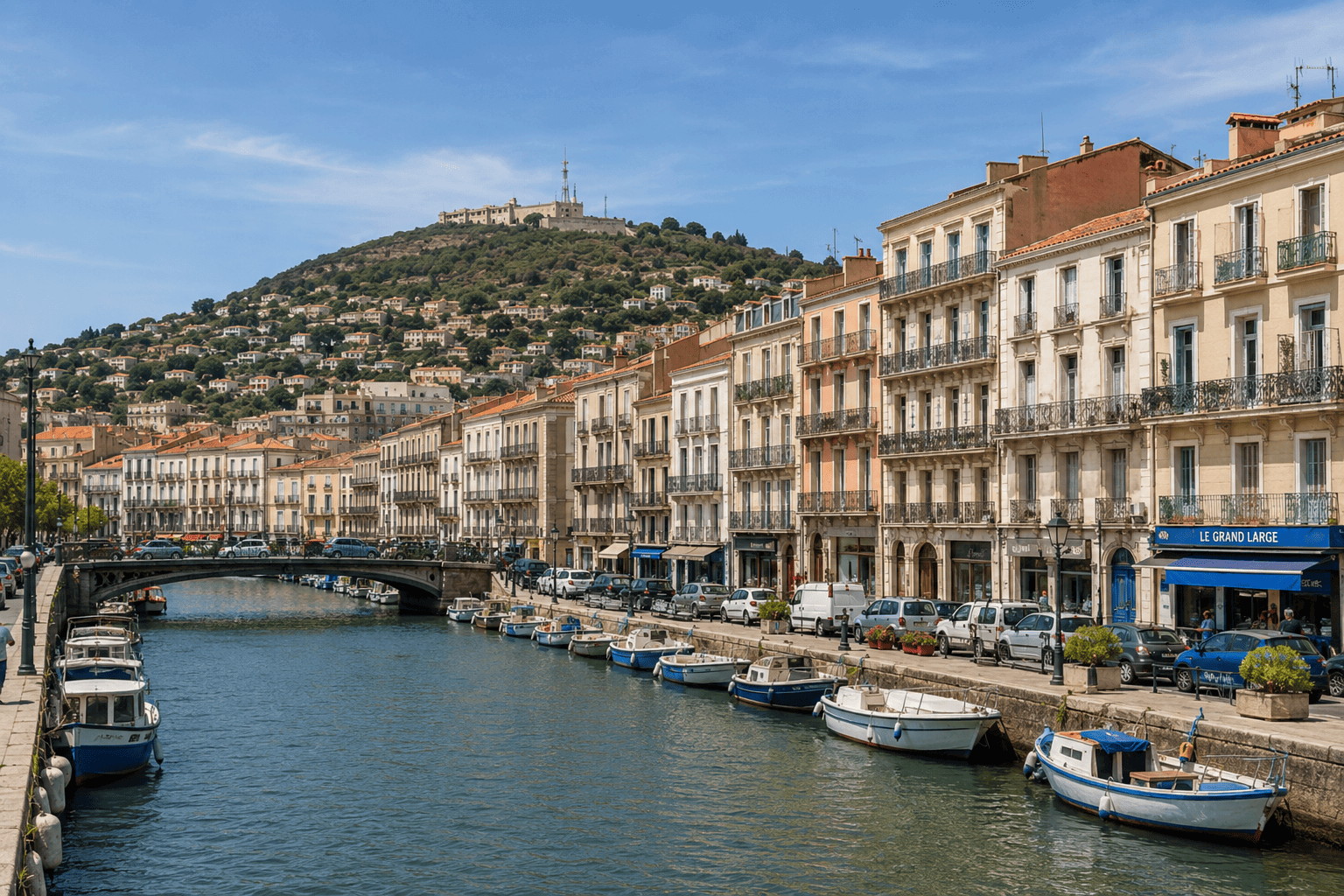
Nos campsites with water park — Agde
Feel like staying here? Here are some water park campsites to discover to extend the experience.